The world of manga has long been a vibrant tapestry woven from the threads of Japanese culture, artistic innovation, and storytelling mastery. Among its myriad forms and styles, the concept of sign manga stands out as a distinctive facet that transcends simple graphic storytelling—serving as a symbol of cultural identity, a reflection of social issues, and a portal into the unique visual language that manga cultivates. This article explores the enduring relevance of sign manga, examining its artistic techniques, narrative depth, cultural influences, and its growing influence on a global scale.
The Enduring Appeal of Manga: Exploring its Global Significance
Manga’s resilience and widespread popularity worldwide are rooted in its universal appeal and cultural adaptability. The sign manga element embodies this with its ability to communicate complex ideas through symbolic visuals and subtle cues, enabling readers across different backgrounds to connect with the material on a deeper level. This visual language fosters a sense of familiarity and cultural pride and offers a window into Japanese societal norms, mythology, and contemporary issues, making it a significant cultural export.
Moreover, the global fan community’s passionate engagement hinges on the accessibility of manga’s sign elements—emojis, expressive icons, and visual metaphors—that bridge language gaps and create shared cultural references. As manga evolves, the significance of sign manga persists because of its versatility in storytelling, emotional expression, and cultural identity, reinforcing its position as a pivotal art form that resonates with diverse audiences worldwide.
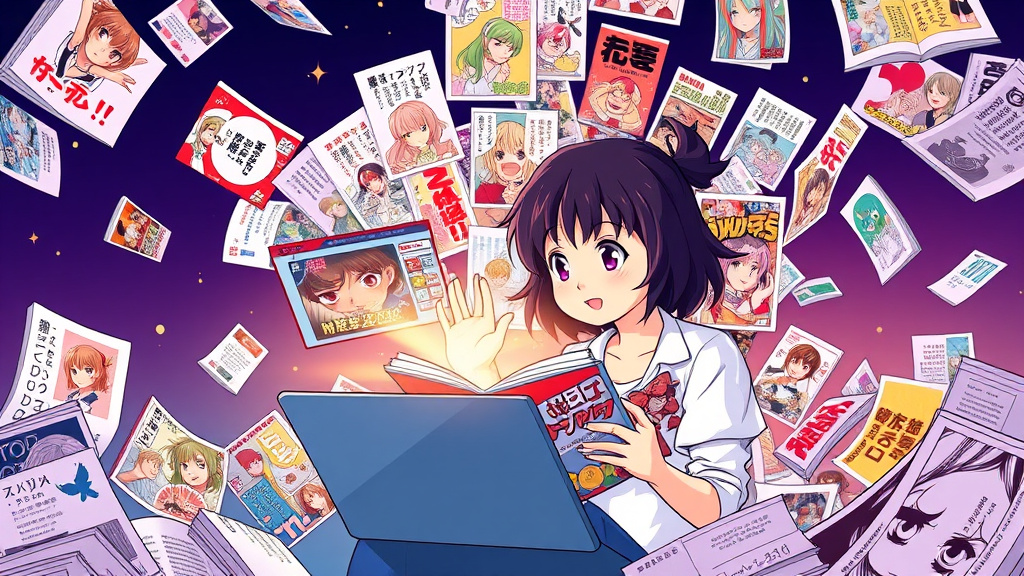 Hình minh họa: websites manga – sign manga
Visual Storytelling in Manga: An Analysis of Artistic Techniques
Manga’s visual storytelling relies heavily on its mastery of artistic techniques—particularly the use of signs—to evoke mood, highlight action, and deepen character development. Artistic elements such as panel composition, pacing, and character expressions serve as signs that communicate subtext and emotional nuances without the need for extensive dialogue. For example, exaggerated facial expressions or symbolic effects like speed lines or ink splashes subtly convey intensity, frustration, or serenity, exemplifying how sign manga employs visual cues to reinforce narrative impact.
Additionally, the deliberate use of signs in manga extends to color choices (in colored manga and promotional materials) and symbolic imagery that hint at themes or foreshadow events. Pioneering artists like Osamu Tezuka and modern innovators continuously push the boundaries of sign manga, blending traditional techniques with digital tools. This visual lexicon turns each page into a layered language of symbols, enabling readers to interpret and connect with stories on multiple levels simultaneously.

Decoding the Narrative Power of Manga: Themes, Genres, and Subcultures
Manga boasts an astonishing range of themes, genres, and subcultures—each employing a rich palette of signs to express their identities. From shonen action series to shojo romance, seinen, and josei stories, the strategic use of visual signs—such as motifs, color schemes, and iconography—helps define genre-specific aesthetics and emotional tones. For instance, the use of bold, dynamic signs and impactful text in action manga accentuates movement and urgency, while soft, delicate signs communicate tenderness in romantic stories.
Beyond genre, manga subcultures such as cosplay communities or fan-art circles leverage sign manga symbols, branding characters or themes in creative ways that foster identity and solidarity. These visual signals transcend narrative; they create shared cultural languages that unite fans, providing both a sense of belonging and a platform for creative expression. The layered signs within manga serve to engage audiences emotionally and cognitively, making manga a compelling medium for societal reflection and individual identity.
From Page to Screen: The Adaptation of Manga into Anime and Live-Action
The transformation of sign manga into anime and live-action adaptations introduces new layers to its storytelling, blending visual language across media. Adaptations often incorporate signs—such as iconic character gestures, symbolic color palettes, and signature sound effects—that preserve the manga’s visual lexicon while expanding its emotional impact through performance, voice acting, and cinematography. This visual symbolism becomes a bridge between static images and dynamic storytelling, allowing the essence of sign manga to resonate even more vividly.
However, the adaptation process also presents challenges—keepers of signs must balance fidelity with innovation. The visual and narrative signs that underpin manga are sometimes altered or expanded to suit different audiences or technological formats. When done effectively, adaptations amplify the core signs of manga, invigorating its cultural influence and fostering new artistic interpretations that deepen the audience's connection with the story and its symbols.
The Influence of Japanese Culture on Manga's Unique Style and Conventions
Japanese culture is the crucible from which sign manga and its stylistic conventions emerge. Elements deeply rooted in traditional signs, such as torii gates, sakura blossoms, Buddhist motifs, and folklore-inspired symbols, integrate seamlessly into manga narratives, providing layers of cultural meaning. These signs serve as visual shorthand that instantly evoke Japanese identity and spiritual ethos, enriching the reader’s understanding of characters’ motivations and thematic nuances.
Furthermore, contemporary manga continues to evolve through the synthesis of traditional signs with modern societal themes, technology, and pop culture phenomena. This fusion has created a distinctive visual language—characterized by expressive signs, exaggerated features, and symbolic motifs—that embodies the Japanese aesthetic and storytelling ethos. In this way, sign manga acts as a cultural mirror, reflecting both Japan’s deep-rooted traditions and its dynamic modernity.
Understanding Manga's Audience: Demographics, Trends, and Fan Communities
The diverse demographics of manga readers demonstrate its broad appeal and versatility, often reflected through the use of signs tailored to different audiences. Young readers are captivated by vibrant signs—such as bold flyaway text, emotive icons, and character expressions—that make stories accessible and engaging. In contrast, older audiences appreciate subtler signs, layered symbolism, and thematic complexity, which foster deeper engagement and interpretative richness.
Fan communities worldwide have taken sign manga further by developing their own visual languages—comics, memes, and merchandise—that echo the signs used in original works or reinvented in innovative ways. These communities serve as vital hubs for cultural exchange, creative reinterpretation, and feedback. As manga continues to evolve, its signs act as common threads tying together a global audience, fostering shared identities and facilitating cross-cultural dialogues.
The Business of Manga: Publishing, Distribution, and the Global Market
The commercial success of manga relies heavily on effective use of signs—not only in storytelling but also in branding and marketing. Iconic covers, recognizable signs, and signature art styles create visual appeal that attracts readers in bookstores, online stores, and international markets. As the industry globalizes, publishers and distributors adapt signs to resonate with diverse cultural preferences, translating visual cues to fit local tastes while preserving the core thematic symbols.
Digital platforms and manga apps amplify the reach of sign manga, employing user interface signs, icons, and visual metaphors that guide consumers seamlessly from discovery to purchase. The strategic utilization of signs in marketing fosters brand recognition and loyalty, which is crucial in a competitive global manga market. This symbiosis of art and commerce underscores how sign manga is not only a storytelling device but also an essential element of the global manga economy.
Iconic Manga Artists and Their Contributions to the Art Form
Throughout manga history, pioneering artists have wielded sign manga—their signature visual cues and stylistic innovations—to define eras and genres. Osamu Tezuka, often called the "God of Manga," popularized the use of sign techniques like expressive facial features and symbolic imagery that revolutionized visual narrative. Modern masters like CLAMP, Akira Toriyama, and Yoshihiro Togashi continue to expand sign manga conventions, blending Western influences with traditional Japanese symbols.
These artists’ creative use of signs has helped establish recognizable visual identities for their works, inspiring generations of manga creators and fans. Their contributions highlight the power of visual signs to shape storytelling, evoke emotion, and foster enduring cultural icons, cementing their legacy in the expansive universe of sign manga.
Manga as a Form of Social Commentary: Exploring Political and Social Themes
Manga employs signs as powerful tools for social critique and political expression. Visual symbols, metaphors, and motifs—like clenched fists, broken chains, or dystopian cityscapes—serve as signs that communicate resistance, injustice, or hope. These signs allow manga artists to embed layered commentary into stories, engaging readers on social issues while maintaining narrative engagement.
The genre of sign manga often pushes boundaries by addressing taboo topics or challenging societal norms, encouraging dialogue and awareness. As a visual language, sign manga makes complex political and social ideas accessible, fostering empathy and understanding among diverse audiences, and reinforcing manga’s role as a mirror to society’s ongoing struggles and aspirations.
The Future of Manga: Innovation, Technology, and Emerging Trends
The future of sign manga is intertwined with technological advancements such as augmented reality, digital art tools, and AI-generated content. These innovations open new frontiers for visual signs—dynamic, interactive, and multi-sensory—that transcend traditional static images. Artists are experimenting with motion graphics, immersive environments, and personalized visual signs, redefining what manga can be and how stories are told.
Emerging trends—like webtoons, global collaborations, and virtual fandoms—are further democratizing the sign manga language, enabling creators worldwide to develop their own symbolic vocabularies. This evolution promises a future where sign manga not only continues to reflect cultural identities but also pioneers new forms of artistic expression, making it an ever-evolving cultural phenomenon.
Conclusion
Manga remains a powerful, multifaceted art form shaped significantly by sign manga, a visual language that conveys emotion, culture, and social commentary across diverse audiences. Its artistic techniques, thematic richness, and cultural influences have enabled it to transcend Japan, cultivating a global fanbase and inspiring innovations in storytelling and media. As technology and globalization propel manga into new realms, sign manga will undoubtedly continue to evolve, cementing its role as both an artistic and cultural signifier that reflects the dynamism of modern society.